What If Starting A Hobby Is The Cure?
How Creativity & Artistic Expression Lead to Better Health
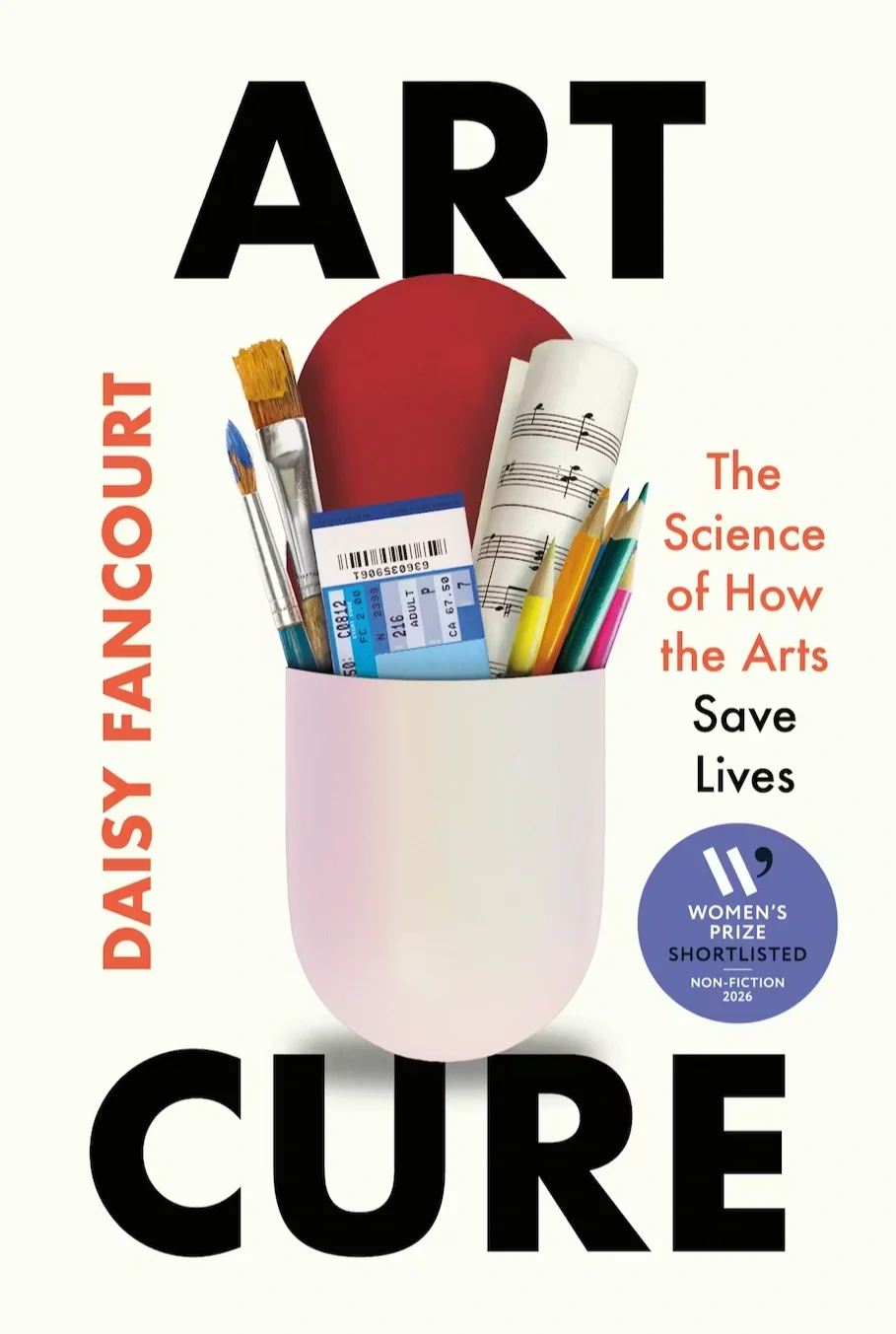
I’m honored to be featured in Art Cure, a new book by PhD researcher and author Daisy Fancourt exploring the growing body of evidence connecting creativity, the arts, wellbeing, and human flourishing. Daisy reached out to me two years ago after reading my blog post about my journey from law to music and back and wanted to interview me. We met over a Zoom call soon after, and her widely anticipated book was just released on McMillan. https://us.macmillan.com/books/9781250364531/artcure/.
For years, I’ve believed that creativity is not separate from leadership, strategy, innovation, or meaningful work. It is part of how people process experience, expand perception, build connection, and imagine new possibilities. Since I was a small child, I loved to sing and melodies constant rang through my head. I also took piano lessons and started a a cappella group. When i sang along to my favorite songs, I could feel the stress leave my body. As I grew older I grown too busy to sing. I didn’t connect the dots that music had a stress-relieving power over me. That feeling fueled my dream which I was compelled to follow: learning to write and record music. I overcame my fears and auditioned for Berklee College of Music. To my surprise I was accepted which eventually forged my path to Nashville where I became a singer-songwriter. I joined the music community there where I wrote and recorded 4 EPs and even secured two songs on rotation in country radio in Canada. Music was the art that I needed.
My belief about art has shaped my professional and creative life across law, executive leadership, music, communications, strategy, and design.
At a time when organizations are increasingly shaped by automation, optimization, and artificial intelligence, deeply human capacities such as creativity, emotional intelligence, communication, cultural insight, imagination, and meaningful connection become even more valuable.
Too often, creativity is framed as decoration, entertainment, or personal expression alone. But creativity also shapes how people solve problems, navigate uncertainty, build trust, communicate meaning, and create work that resonates. The future is not only AI, it’s human. We cannot exclude people from the future. Many organizations today are efficient, but emotionally flat. Optimized, but disconnected. Productive, but lacking aliveness.
Creativity, perspective, and human experience are becoming strategic advantages because I believe the future will increasingly belong to leaders and organizations capable of integrating technology with deeply human capacities.
And perhaps most importantly: I believe that aliveness is a strategy.